
Anne Midgley
Crisp, compelling historical narratives; riveting, page-turning fiction; and dry-as-bones scientific treatises all have one thing in common—they are written in the third person. The authors’ talents and expertise are on display in these works while their personal histories are hidden from view. As an author and editor, I have an aversion to first-person narration but find that it truly has a place in personal testimonials. Much of the pro-life movement turns on developing a personal connection with others, sharing what makes us uniquely human, and treasuring each human life from “womb to tomb.”
The fight against unlimited abortion takes center stage much of the time in pro-life dialogue, however, it is just as important to defend the dignity of life at the opposite end of the spectrum—approaching death. In a recent online discussion about end of life, a person commented to me “Why on Earth would anyone be against euthanasia, especially if preaching about quality of life? Personally, I see no need for suffering that ends in death.” Having spent the last few years driving 1300 miles per month to spend a week caring for my elderly parents—both of whom were also cared for under in-home hospice—I have developed a much greater appreciation for helping loved ones live each precious moment until he or she breathes that last God-given breath. My four sisters and I worked together to provide 24/7 care for our parents. Not every family has the capability or willingness to do so, but the benefits to my parents and to us, their daughters, were incalculable.
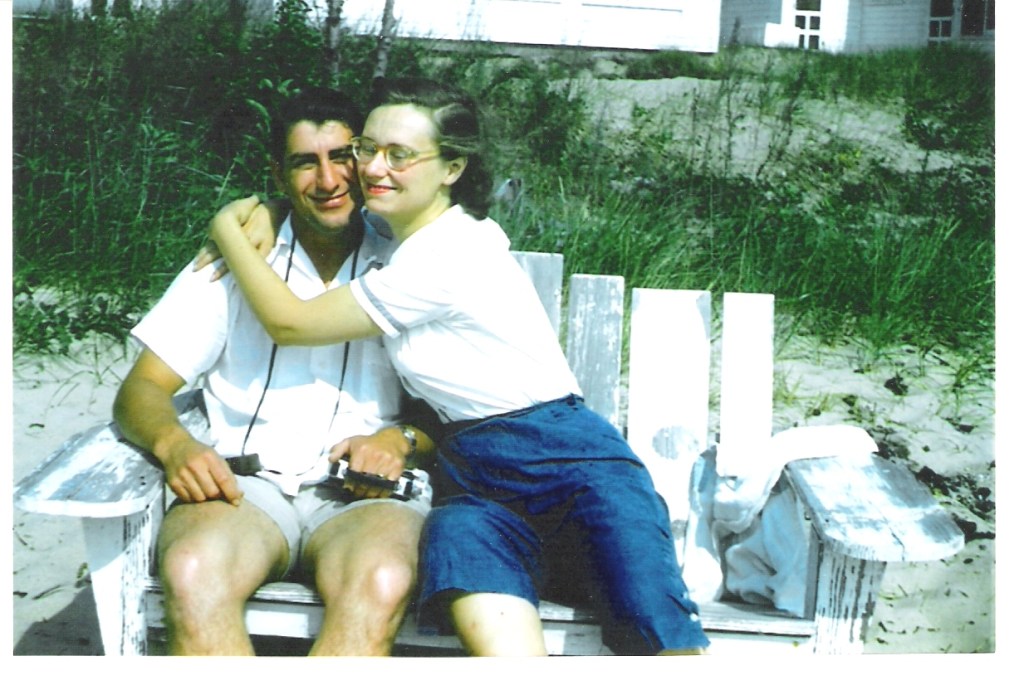
My mother suffered from a variety of heart-related issues, including atrial fibrillation (AFib) and congestive heart failure. Her final AFib treatment in the fall of 2019 was not effective. Her overall health continued to decline. After a week-long hospital stay in November 2019, which stumped her team of physicians, Mom was released from the hospital and returned home under hospice care. For those unfamiliar with hospice care, is it a very special kind of care that focuses on the quality of life for both the patient and the patient’s family. Hospice care is designed for people who have an advanced illness and are not expected to live for more than six months. Of course, some people do live longer and the program can continue to be extended, provided that the patient’s medical prognosis remains unchanged.
Medicare benefits covering hospice services are quite extensive, including: Doctor services, nursing care, medical equipment and supplies, prescription drugs for symptom control or pain relief , Hospice aide and homemaker services, respite care, physical and occupational therapy services, social work services, dietary counseling, grief and loss counseling for the patient and family and so much more.1 The full list is available on the Medicare.gov site “Hospice care.”
In my family’s experience, all necessary hospice benefits were provided to both my parents in a professional, yet kind and compassionate manner. Our hospice team became the people that we most relied upon from November 2019 through my mother’s death in April 2020 and then through my father’s death in April 2021. Aside from our nurse, Christine, the most important members of the hospice team to my family were the nurse’s aides, who visited at least three times a week to bathe and care for our parents. Our nurse Christine became a dear friend, and on many occasions facilitated difficult and emotionally charged family debates. She offered solutions to us, which were nothing short of life-saving for family caregivers—especially as Mom would wake up multiple times throughout the night. Initially, we attempted to work through Mom’s night-time needs but since Mom, during the early stages of her hospice journey, also expressed a wide-range of emotions—sometimes hostile—, and wanted to play cards with someone during the wee hours of the night and early morning, we ultimately hired night-time caregivers to supplement our family.
It’s worth noting that this period coincided with the outbreak of the Covid pandemic. Its effects shook the globe and in many situations, politicians seeking to stem the tide of the pandemic made decisions that put weak and vulnerable populations, like the elderly and those in nursing and assisted living homes at even greater risk. Consider New York then-governor Andrew Cuomo’s decision to return Covid patients newly released from the hospital to nursing homes—the NY Times reports that “more than 172,000 residents and employees of nursing homes and long-term facilities died of complications from Covid-19 . . . New York leads all states in such deaths, with more than 15,000.”2 Clearly, the risk of Covid infection further exacerbated our family’s stress and reduced the number of options that we had to care for our parents—we could not risk that they or any of our primary caregivers fall victim to Covid. Thankfully, we, and the members of our hospice team were successful; we were able to keep both Mom and Dad in their own home throughout their final days.
Our final months with Mom were emotionally intense—Mom had a mercurial personality and could go from stoic to volcanic in the space of a few moments, depending upon her state of mind and emotional triggers. She had a fearfully strong intellect and a great deal of pride in her life’s accomplishments. She loved her family fiercely, was a strong advocate of the feminist movement, a leader in the peace movement of the 1980s, a strong proponent of respect for the environment, and among many other qualities—a killer card player. Mom enjoyed a wide range of competitive card games, from various forms of rummy, to euchre, hearts, 3-13, solitaire, and cribbage. Until her final days, Mom retained her quick wit. Some of our family’s treasured moments will always remain the days that we gathered around the card table to be trounced by our mother.
It is important to note that dying is a process that brings with it an emotional roller-coaster. Elisabeth Kübler-Ross, a pioneer in death and dying studies, writes that dying people often experience five emotional stages: Denial, Anger, Bargaining, Depression, and Acceptance.3 The Merck Manual provides this summation:
The prospect of dying raises questions about the nature and meaning of life and the reasons for suffering and dying. No easy answers to these fundamental questions exist. In their pursuit of answers, seriously ill people and their families can use or turn to their own resources, religion, counselors, friends, and research. They can talk, participate in religious or family rituals, or engage in meaningful activities. The most effective antidote to despair is often feeling cherished by another person. The torrents of medical diagnoses and treatments should not be allowed to obliterate larger questions, meaningful experiences, and the importance of human relationships.4
During that last six months with Mom, each member of our family became closer to each other—to our mother, our father, and our siblings. We had treasured moments of love and reconciliation. We also experienced both joy, and naturally, sorrow—but love stands out above all. During some points in her journey, Mom would ask “Why am I still here?” “Isn’t there a pill that I can take to end this?” But the evening before she died, sitting between her youngest and her eldest daughters, slumped in her wheelchair with me supporting her head while holding and playing Mom’s hand of cards—when asked if she was ready to go to bed, she softly replied, “One more hand.”
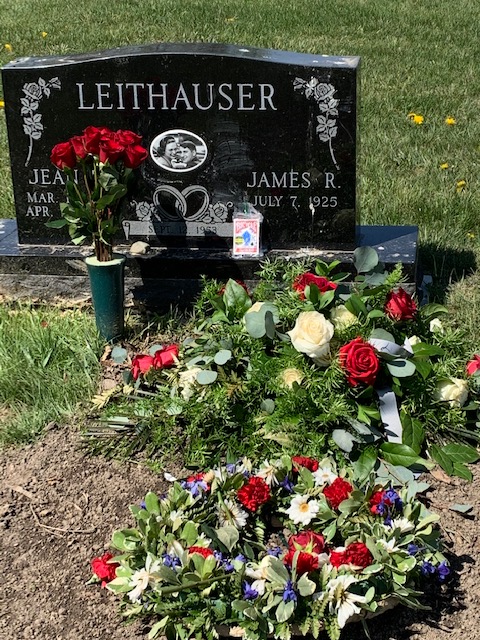
Life is to be lived until its final God-given moment, not taken away by an easy pill. Mom’s final words testify to our human desire for life.
Notes
- “Hospice care,” Medicare, accessed January 27, 2022, https://www.medicare.gov/coverage/hospice-care.
- Michael Gold and Ed Shanahan, “What We Know About Cuomo’s Nursing Home Scandal,” New York Times, August 4, 2021.
- Elisabeth Kübler-Ross quoted in Elizabeth L. Cobbs, Karen Blackstone, and Joanne Lynn, “Acceptance of Death and Dying,” Merck Manual Consumer version, accessed January 27, 2022, https://www.merckmanuals.com/home/fundamentals/death-and-dying/acceptance-of-death-and-dying.
- Cobbs, Blackstone, and Lynn, “Acceptance of Death.”
 AMU & APU Students for Life